Izmir —
VIP Transfer
Quick and Easy Booking
What to See in Izmir?
Founded in antiquity under the name Smyrna, Izmir is the pearl of the Aegean coast. This city, rich in history, holds traces of the Hittites, Greeks, Romans, Byzantines, and Ottomans. Home to Ancient Ephesus, the House of the Virgin Mary, Pamukkale, and the stone streets of Alacati — Turkey's richest cultural route. All Seven Churches of the Apocalypse mentioned in the Bible are located in and around Izmir. Crystal-clear Aegean waters, world-famous windsurfing bays, and olive-oil-based cuisine make Izmir an essential stop on any journey.
Click a heading to open a detailed historical overview with photos.
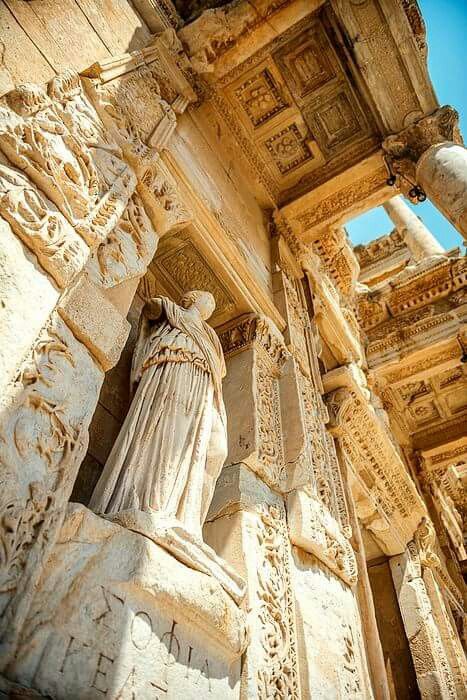
Ancient Ephesus is located in the Selcuk district of Izmir province and is one of the most important archaeological sites in the world. The earliest traces of settlement date back to 7000 BC, and during the Hittite era the city was known as Apasas. Today's Ephesus is the so-called "Third Ephesus," redesigned in the 3rd century BC by the general Lysimachus, one of Alexander the Great's successors.
Ephesus was continuously inhabited from the Neolithic era onward, passing successively through Hellenistic, Roman, Byzantine, Beylik, and Ottoman periods.
Capital of the Roman Province of Asia
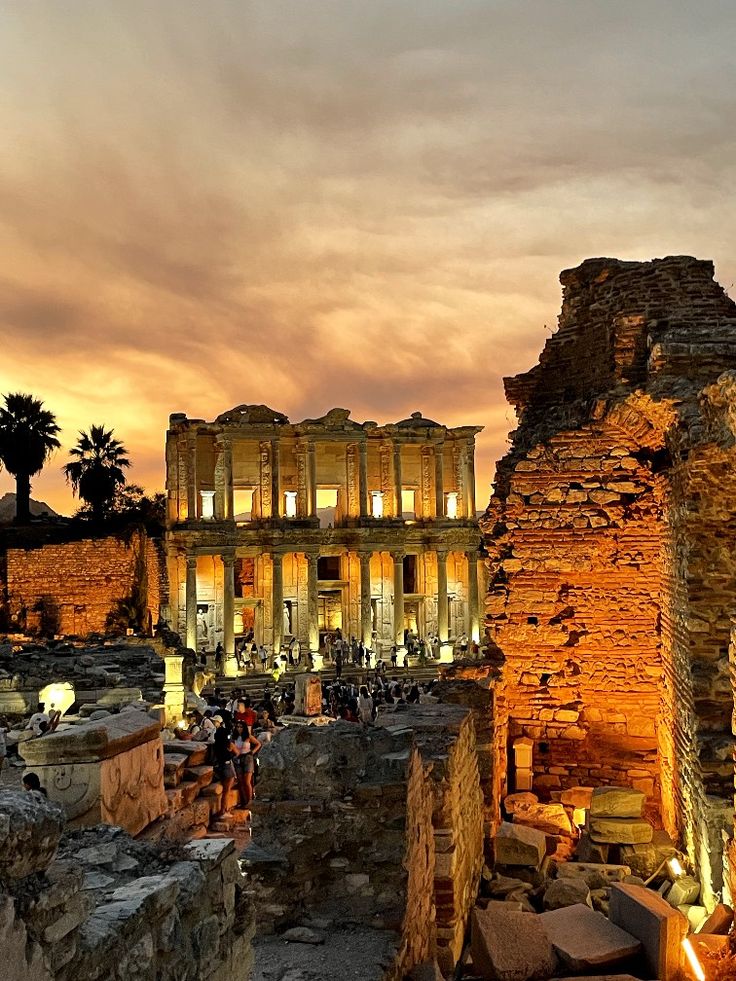
During the Roman Empire, Ephesus was the capital of the province of Asia — one of the largest and wealthiest cities of its time. The Temple of Artemis — one of the Seven Wonders of the Ancient World — became a symbol of the city's religious and architectural identity. The Memmius Monument, the Fountain of Trajan, and the Marble Road are among the most striking structures of this ancient city.
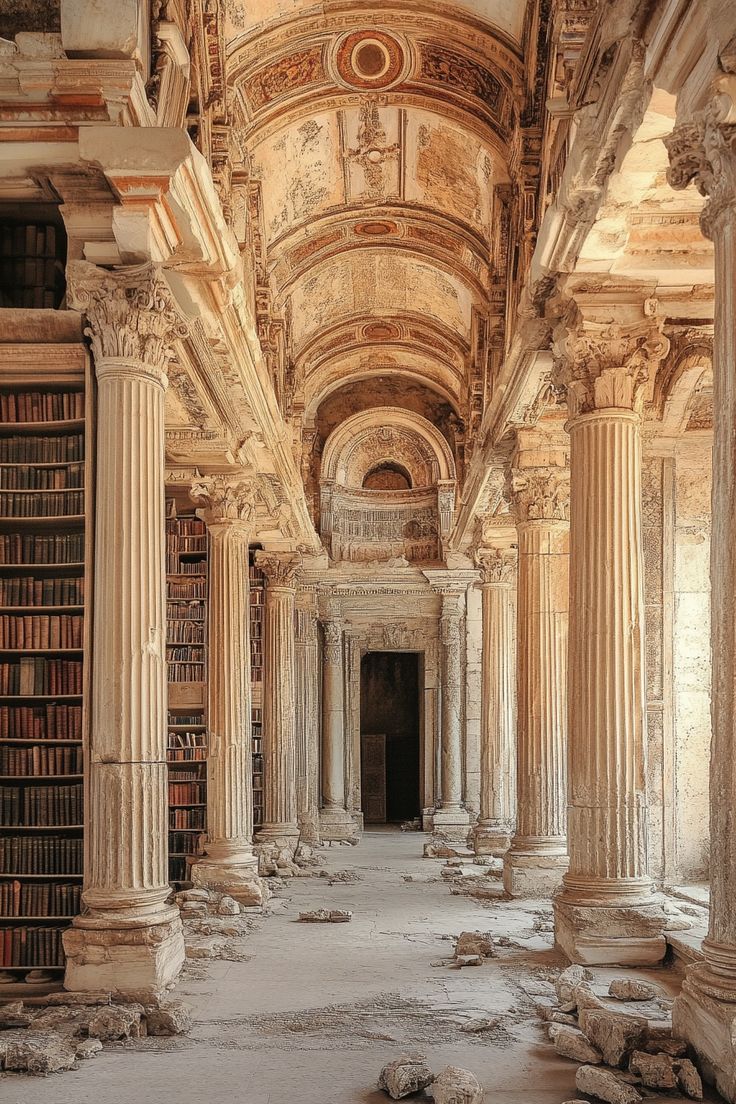
Marble Road · Ephesus
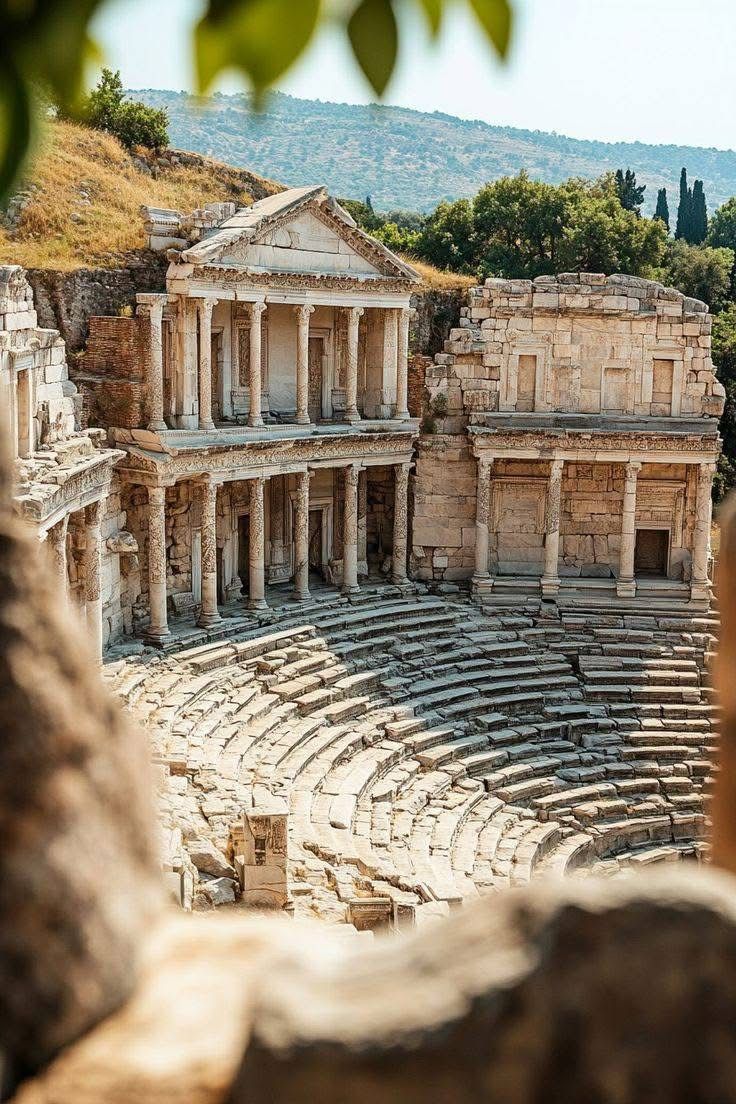
Great Theatre · Ephesus
UNESCO World Heritage Site
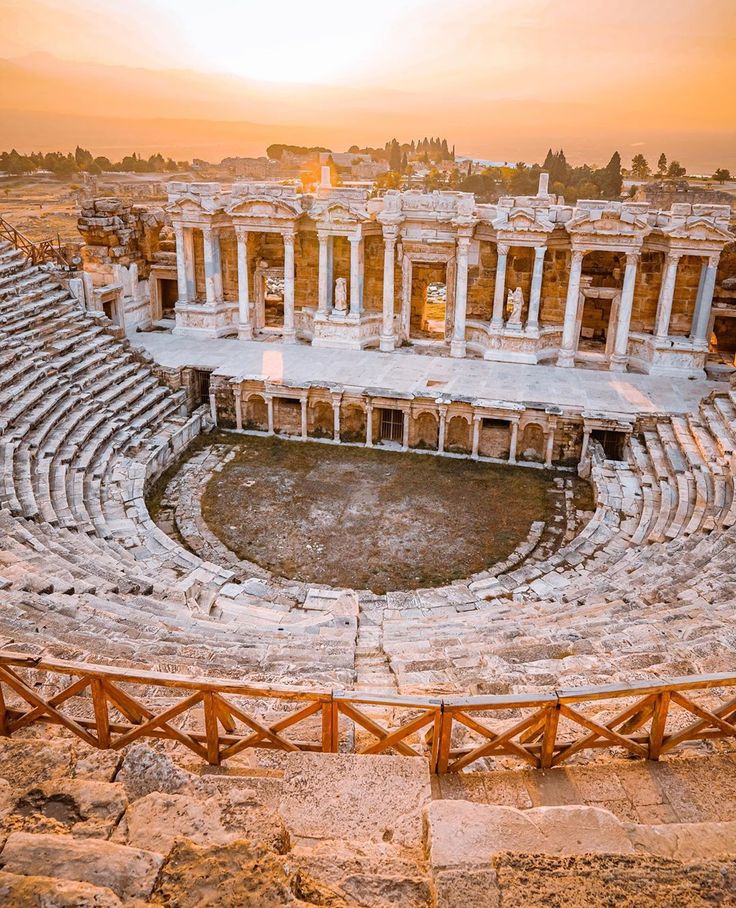
In 2015, Ephesus was inscribed on the UNESCO World Heritage List. The site consists of four components: Cukurici Mound, Ayasuluk Hill, Ancient Ephesus, and the House of the Virgin Mary. Systematic archaeological excavations, ongoing since the 19th century, continue to reveal the city's historical and architectural fabric.
Source: Wikipedia — Ephesus · UNESCO
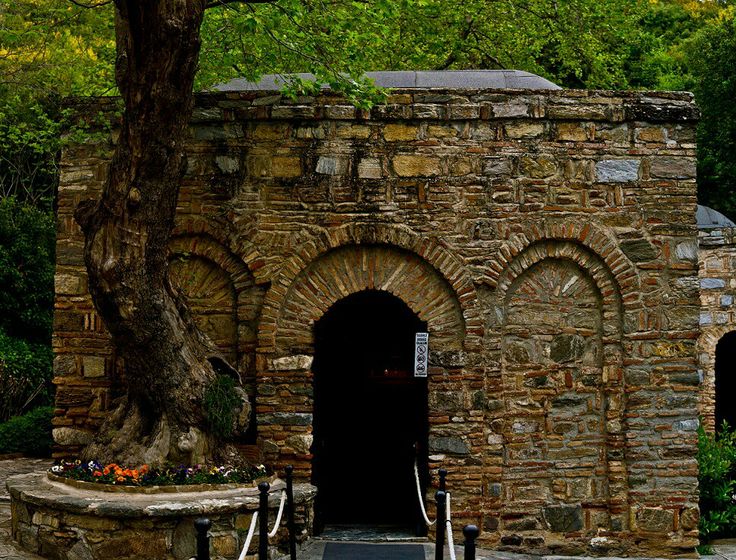
The House of the Virgin Mary is located near Ancient Ephesus, on the slope of Mount Bulbul, at an elevation of 420 meters above sea level. This sacred site is deeply revered by both Christians and Muslims and draws hundreds of thousands of pilgrims each year.
The Final Years of the Blessed Virgin
Before his death, Jesus Christ entrusted his mother to the care of his beloved disciple, the Apostle John. Since remaining in Jerusalem was dangerous, John brought the Virgin Mary to Ephesus in 33 AD and built her a house on the slope of Mount Bulbul. According to tradition, the Virgin lived here until the end of her life.
The Story of the Miraculous Discovery
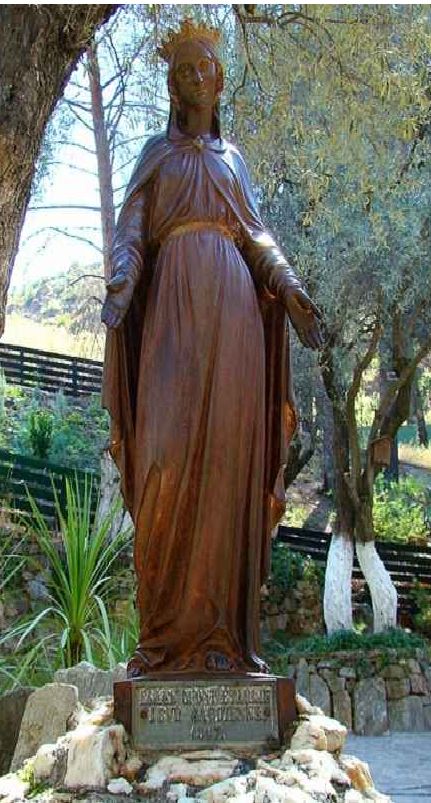
The German nun Anne Catherine Emmerich (1774–1824), who never left Germany, described the exact location of the Virgin's house in her visions. Based on her accounts, the Vatican organized a search. In 1891, Lazarist priests discovered small ruins on Mount Bulbul; archaeological studies showed that the foundation dates to the 1st century AD.
✝️ ☪️ A Shared Sacred Site
Declared a pilgrimage site by the Vatican, this sanctuary has been visited by Pope Paul VI (1967), Pope John Paul II (1979), and Pope Benedict XVI (2006). The chapel also holds the Quranic surah "Maryam" — making the site a shared one for Christians and Muslims alike.
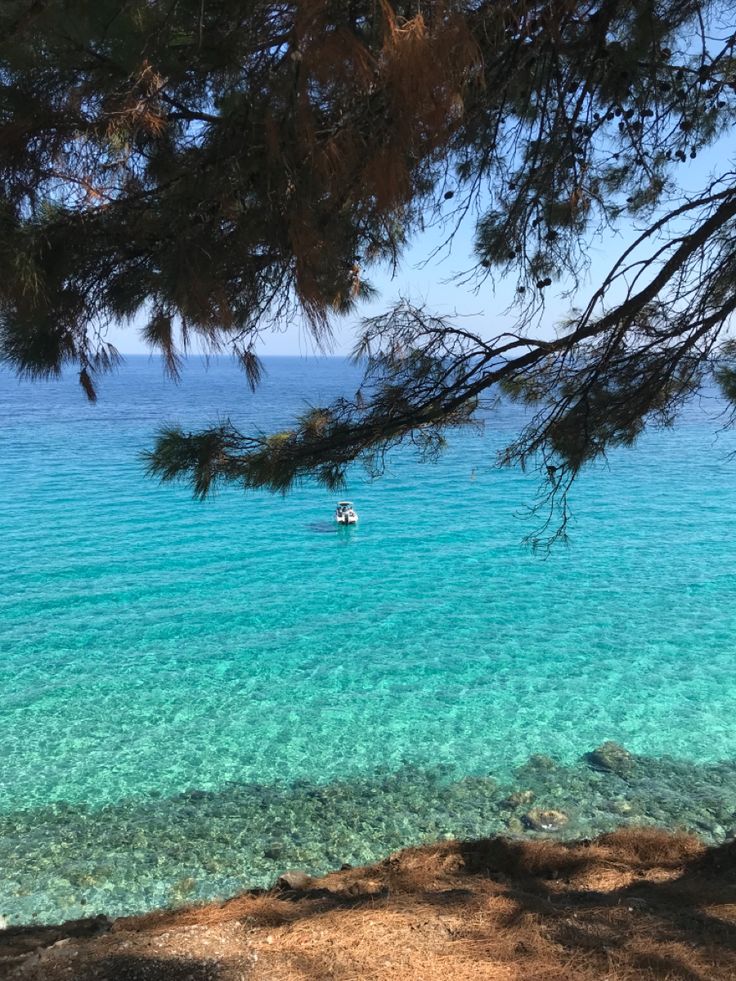
Kusadasi is a resort town on the Aegean coast with crystal-clear water. In antiquity it was called Neopolis, during the Byzantine period Ania, and under the Venetians Scalanova. In 1613–1620, the Ottoman governor Okuz Mehmed Pasha rebuilt the town.
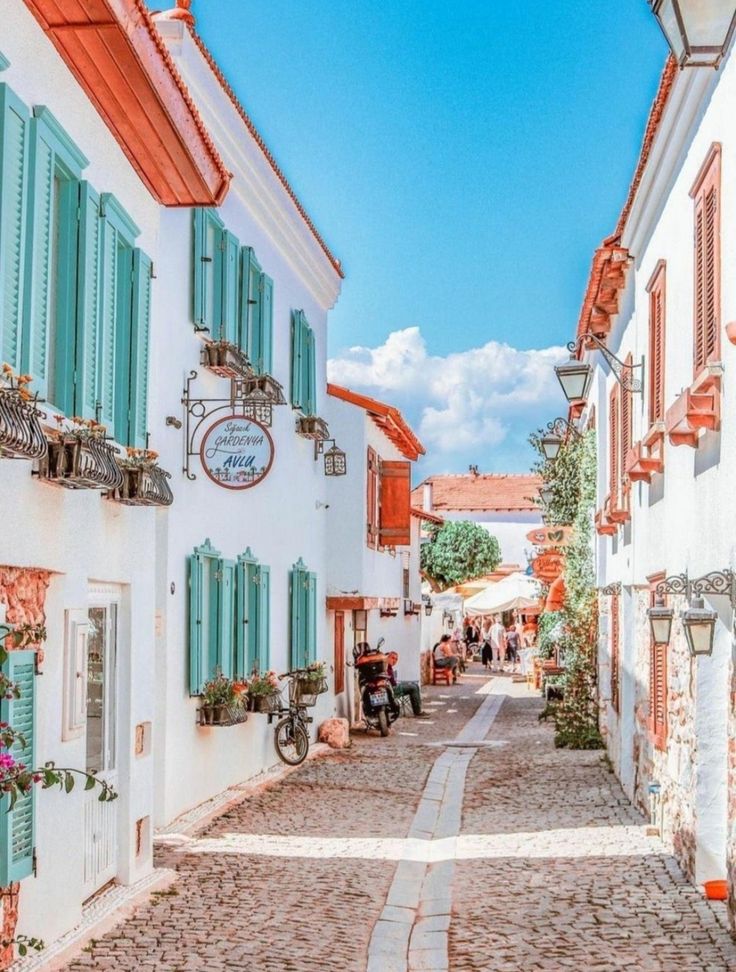
Kaleici · Historic Streets
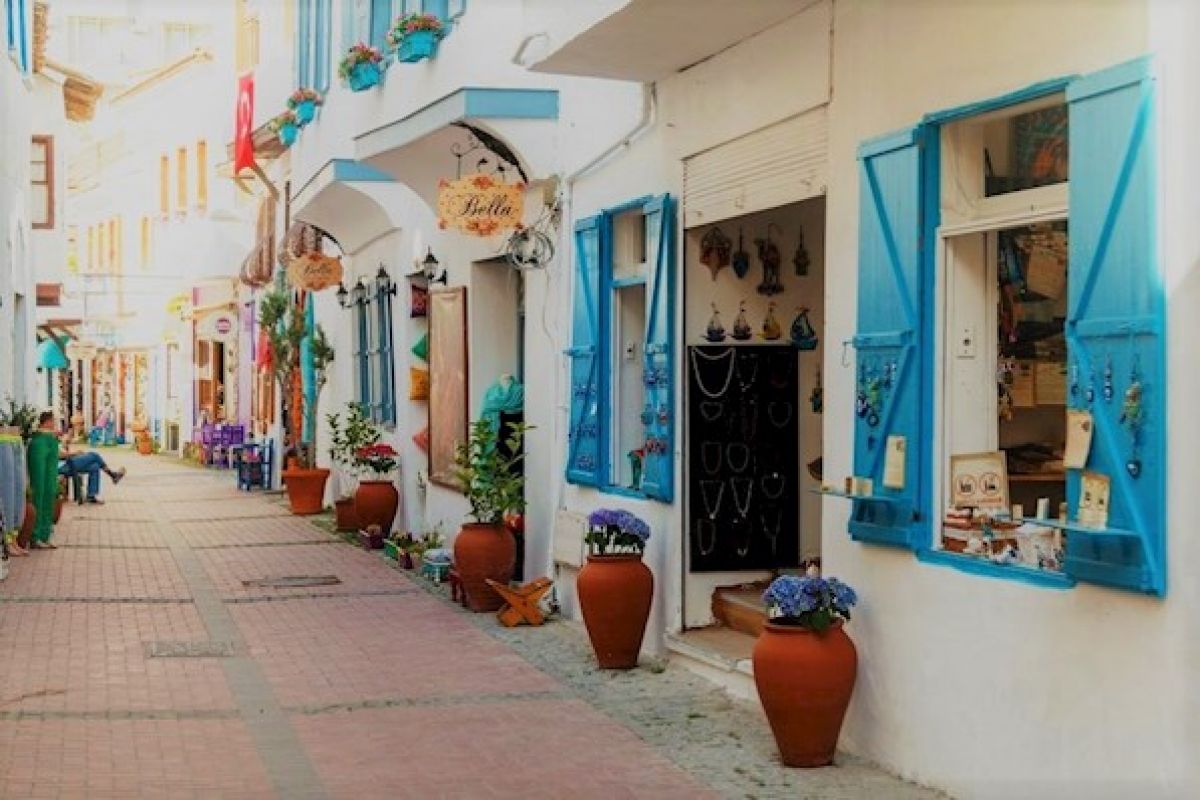
Kaleici · Market
Guvercinada (Pigeon Island) Castle
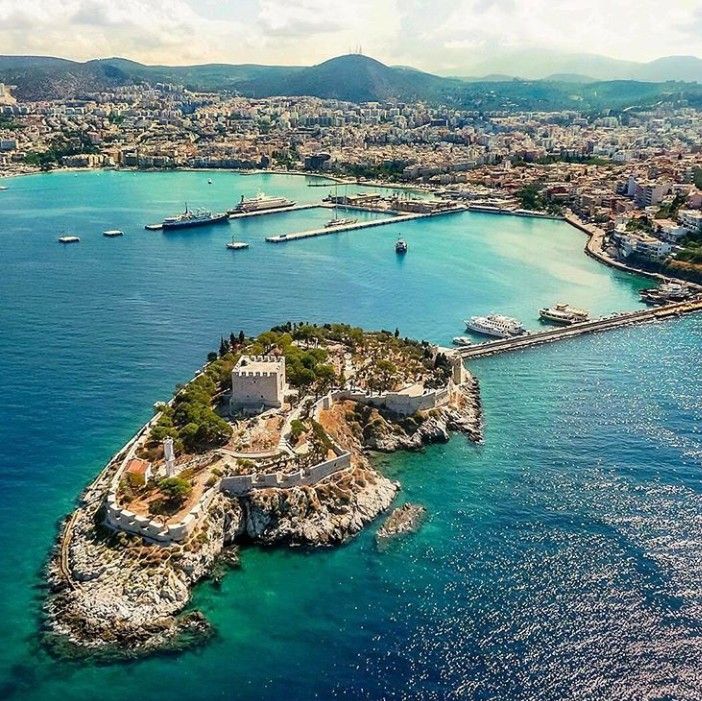
Guvercinada Castle was built by Barbarossa Hayreddin Pasha in the 1530s. It reopened to tourists in 2016 after restoration.
Okuz Mehmed Pasha Caravanserai
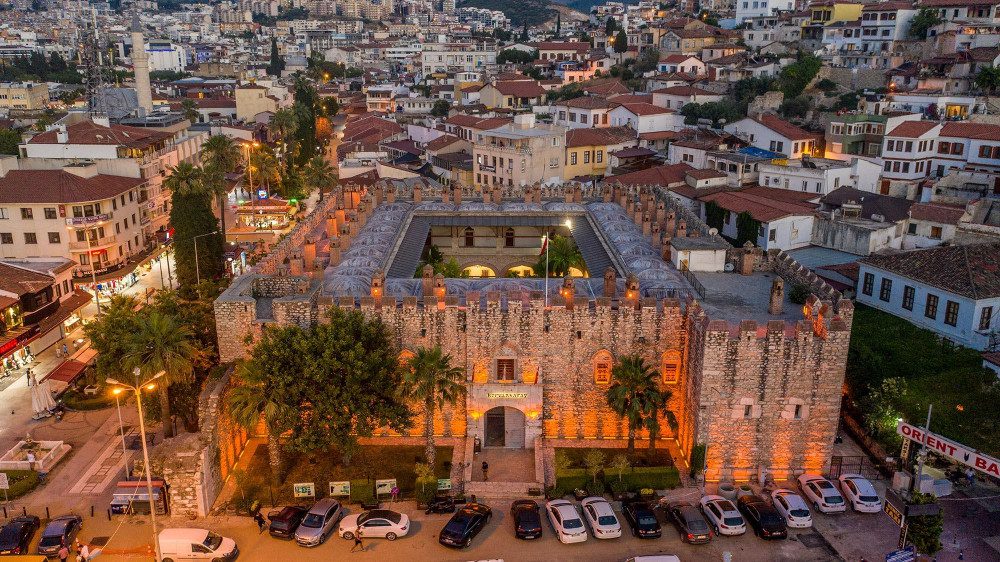
Caravanserai · Facade · 1618
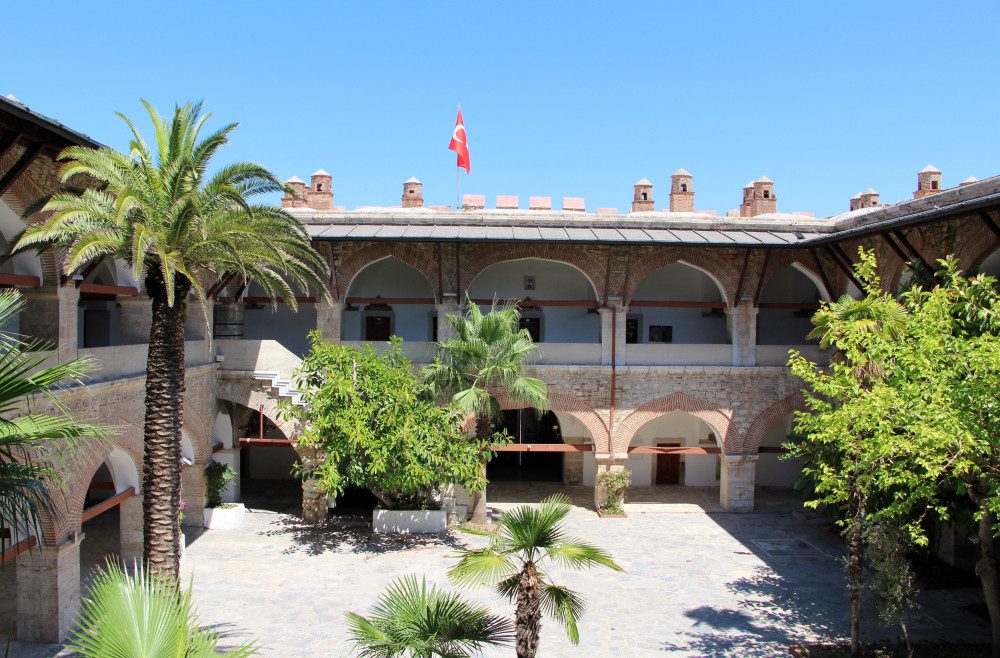
Caravanserai · Inner Courtyard
Built in 1618, the caravanserai served as the commercial heart of western Anatolia. After restoration, it now functions as a cultural and tourist center.
Source: Wikipedia — Kusadasi
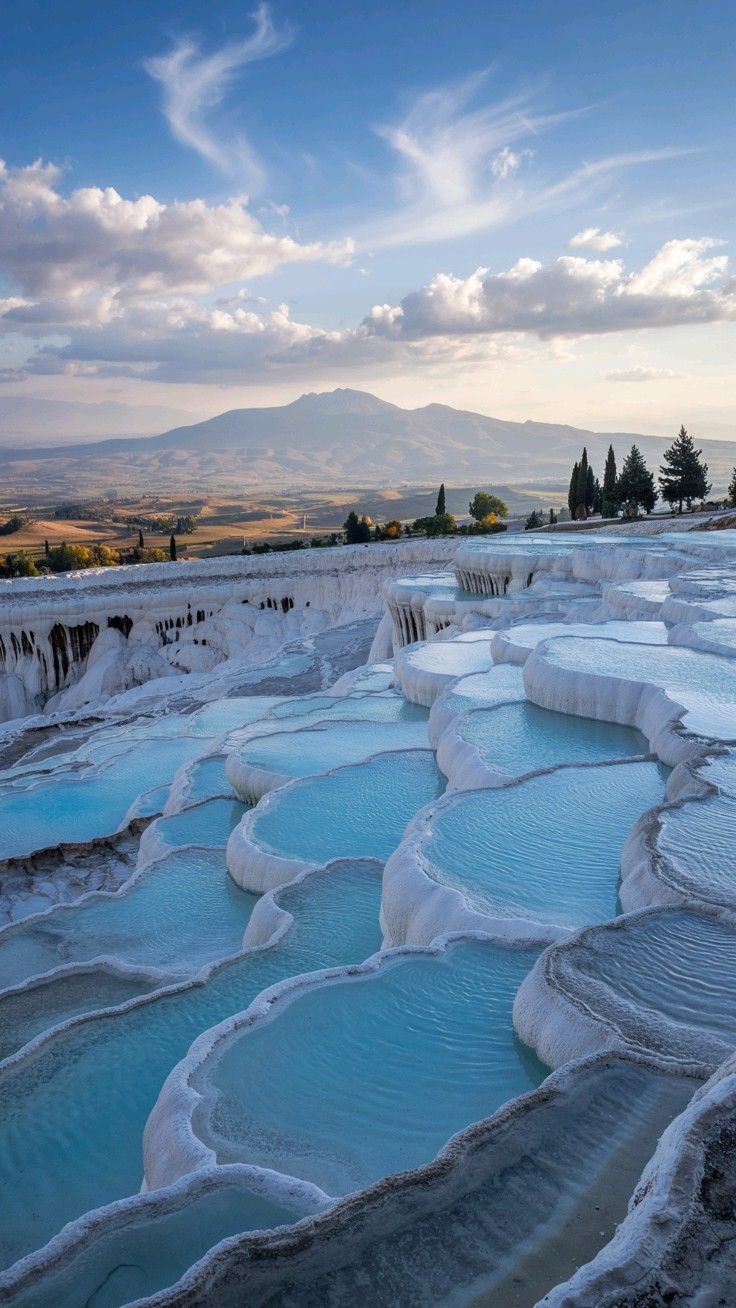
Pamukkale ("Cotton Castle") is world-famous for its snow-white travertines — limestone deposits formed by hot springs. The site has 17 thermal springs with water temperatures ranging from 35°C to 100°C.
Hierapolis — Ancient Thermal City
Located right on the travertines, Hierapolis was founded by the Kingdom of Pergamon in the 2nd century BC. After the devastating earthquake of 17 AD, the city was rebuilt under Emperor Tiberius. Since 1988, the site has been inscribed on the UNESCO World Heritage List as a natural and cultural heritage monument spanning 1,077 hectares.
Source: UNESCO World Heritage List #485
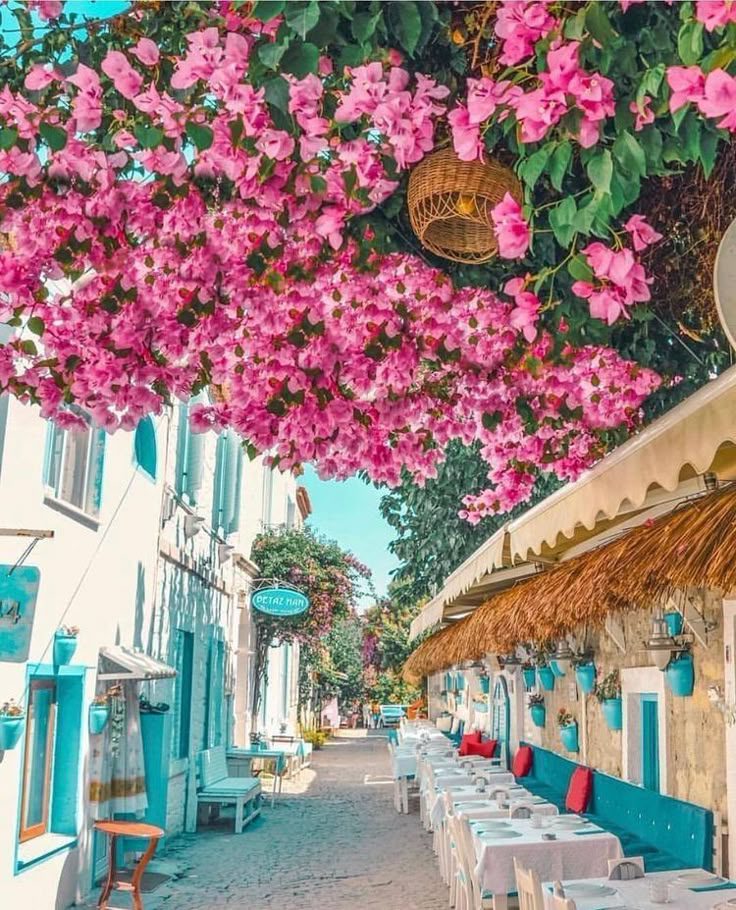
Cesme is a pearl of the Aegean coast with turquoise bays and views of Chios Island. Ilica Beach becomes a genuine open-air thermal pool: hot springs bubble up directly from the seabed.
The History of Cesme
Known in antiquity as Cyssus, Cesme served as a port of Ionia in the 10th century BC. In the 16th century under Bayezid II, its fortress was reinforced.
Alacati — The Charm of Stone Houses
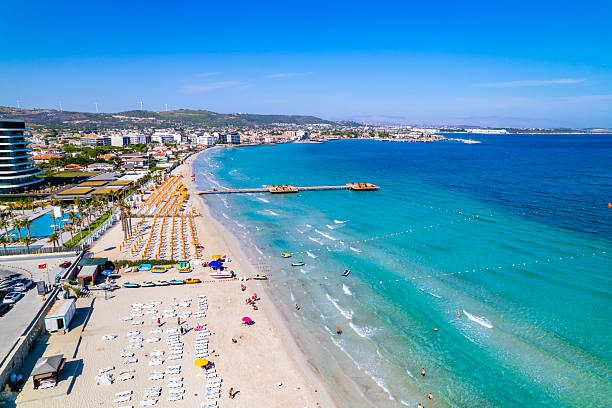
Alacati · Blooming Streets
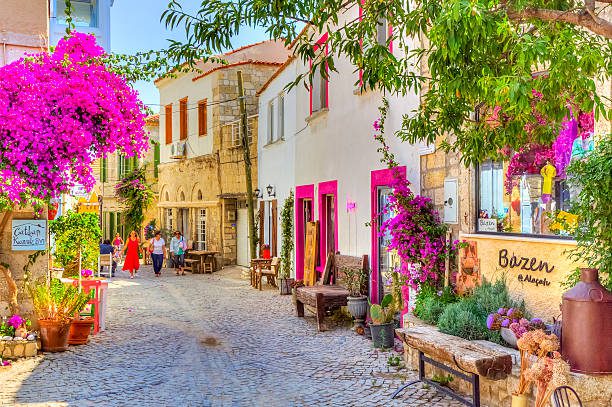
Alacati · Stone Houses
The history of Alacati dates back to the Archaic period. Built between 1850 and 1890, its ivy-covered stone houses and narrow cobbled streets make this small town Turkey's most photogenic destination.
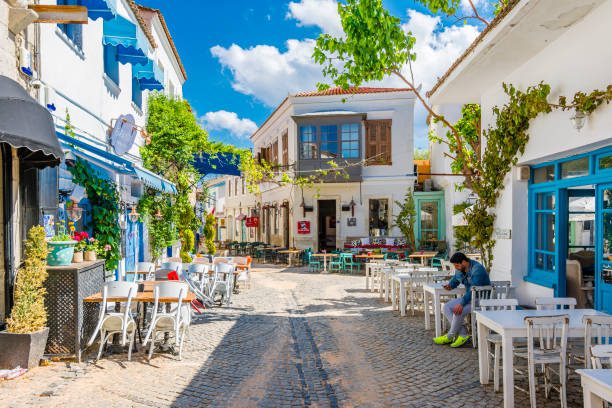
Alacati · Summer Evening
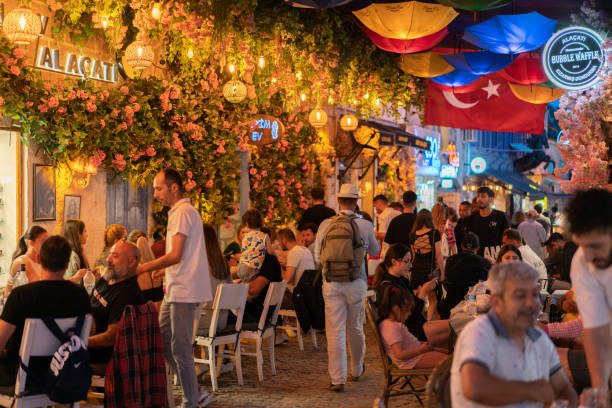
Alacati · Evening Streets
A Windsurfer's Paradise
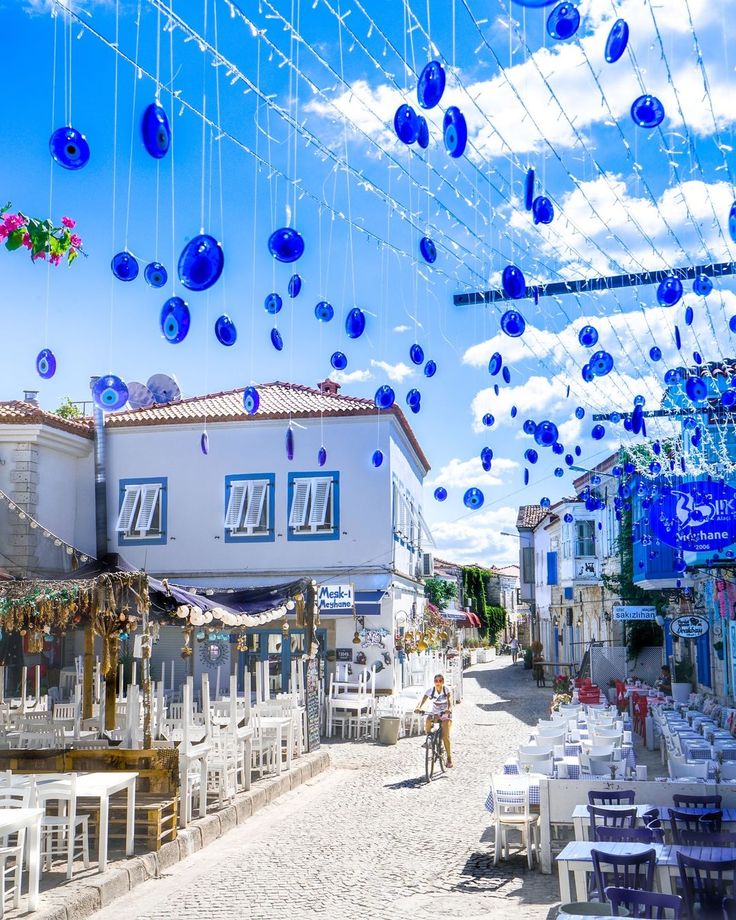
Thanks to its steady year-round winds, Alacati Bay ranks among the best windsurfing spots in the world. Its shallow waters make it ideal for beginners.
Source: Wikipedia — Cesme
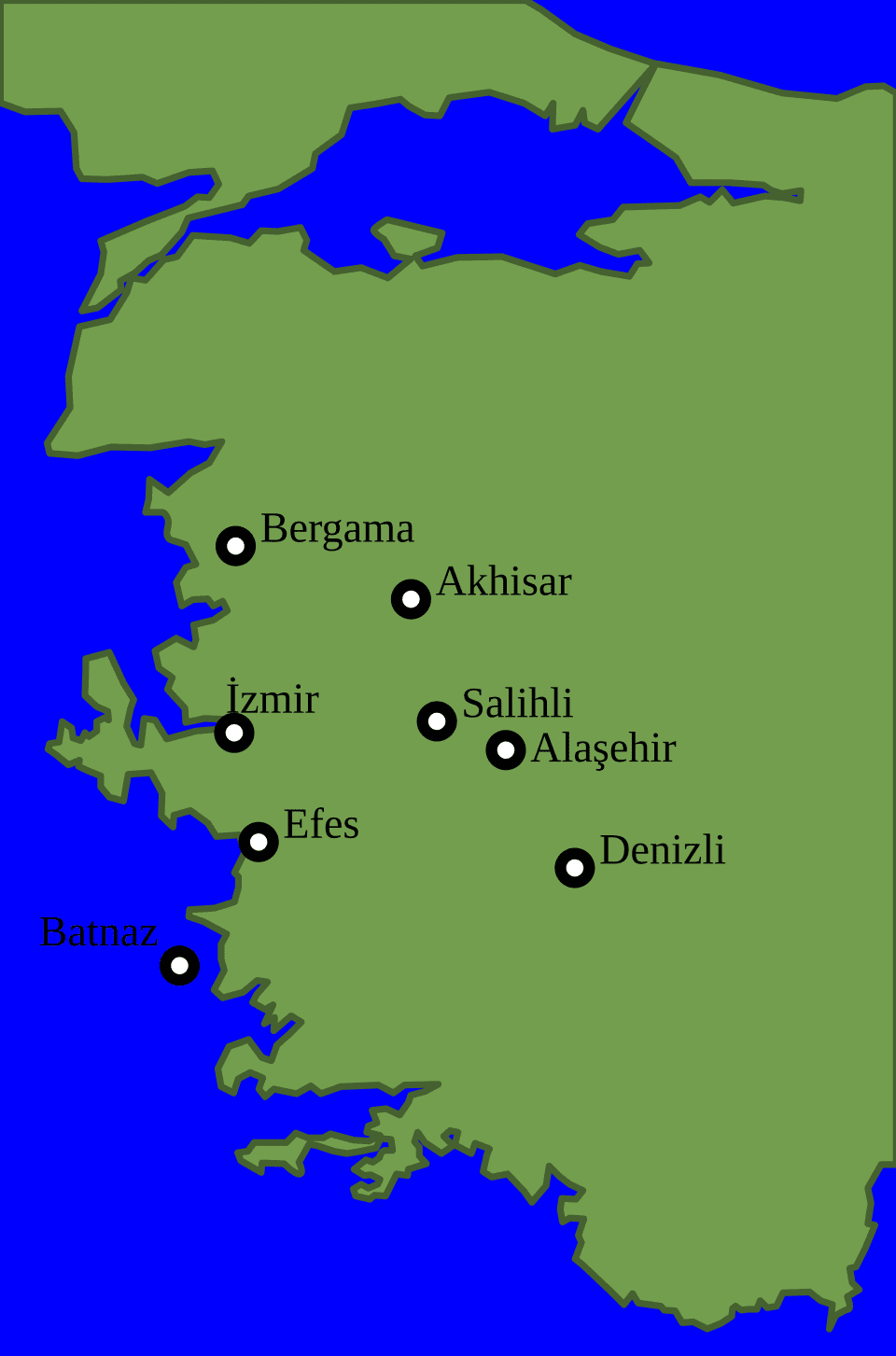
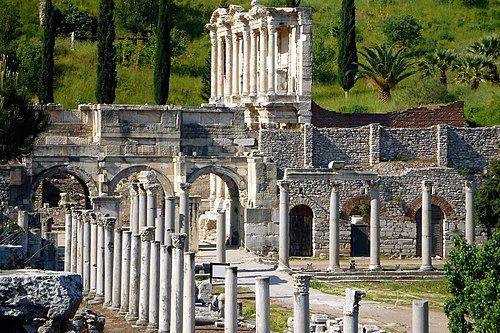
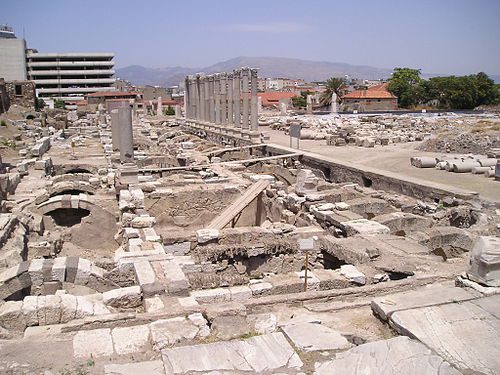
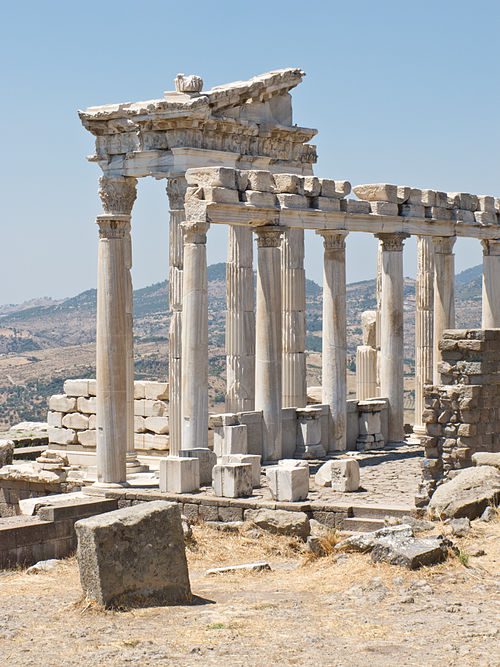
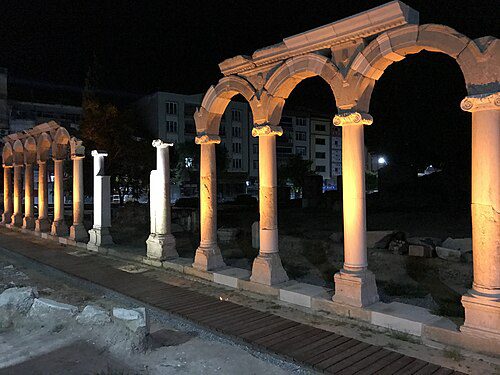
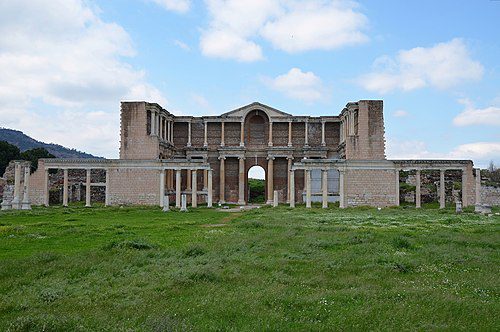
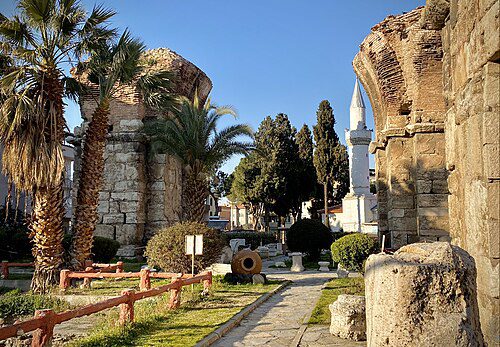
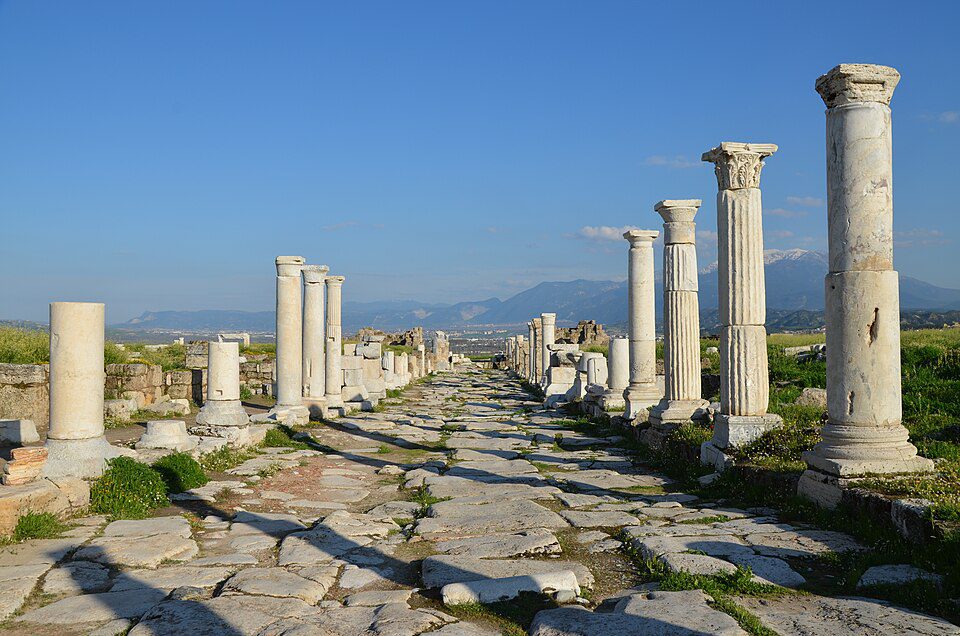
In the Book of Revelation, the Apostle John addresses seven communities in western Asia Minor. Exiled by Rome to Patmos Island, John conveyed the Divine Revelation to them. All seven churches are located within present-day Turkey.
Get an Instant Price
Select your route and vehicle class — see the exact price instantly. Enter an address and the system will detect the district automatically.
* Share your flight number when booking — we track your flight
🏛️ Izmir Tours (8–9 hours):
For pricing and booking, message us on WhatsApp — we respond within 15 minutes.
Routes from ADB Airport
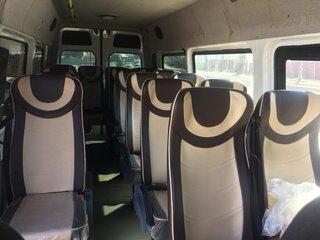
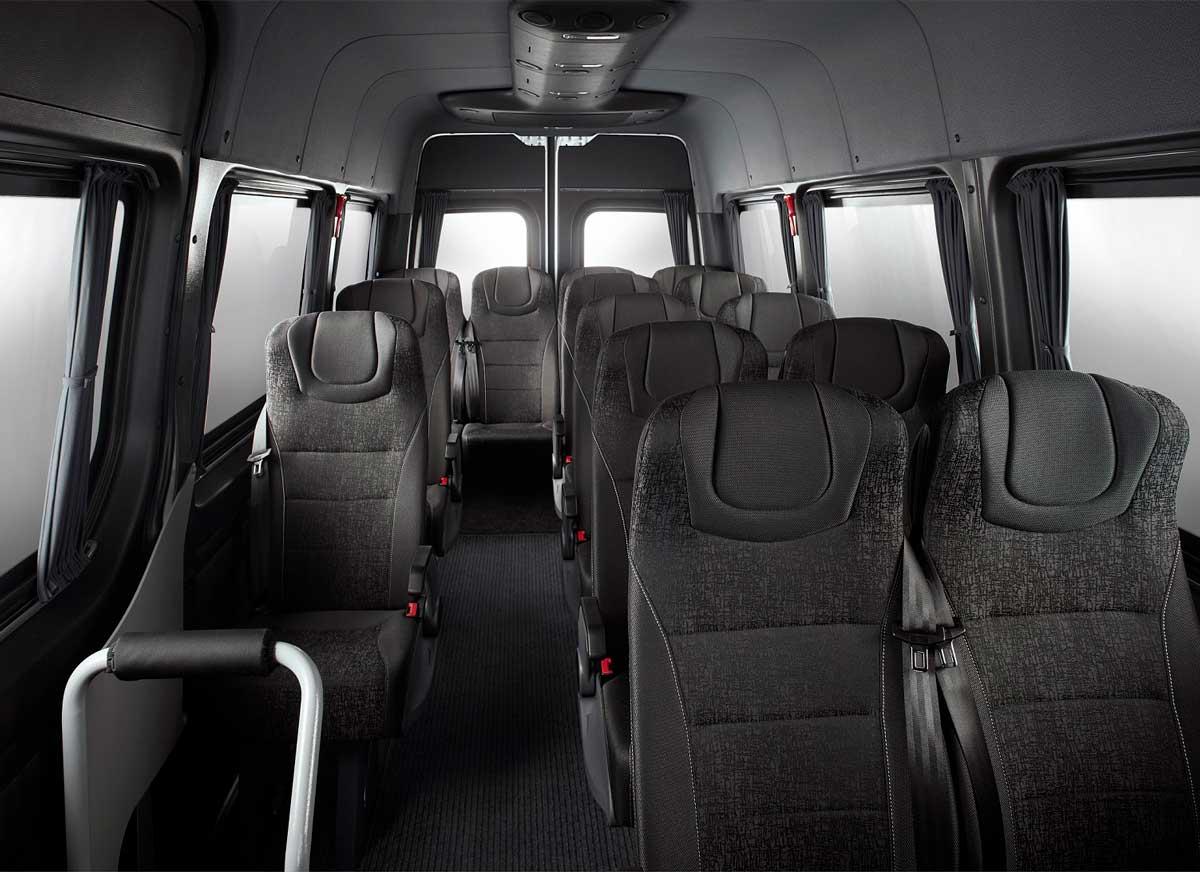
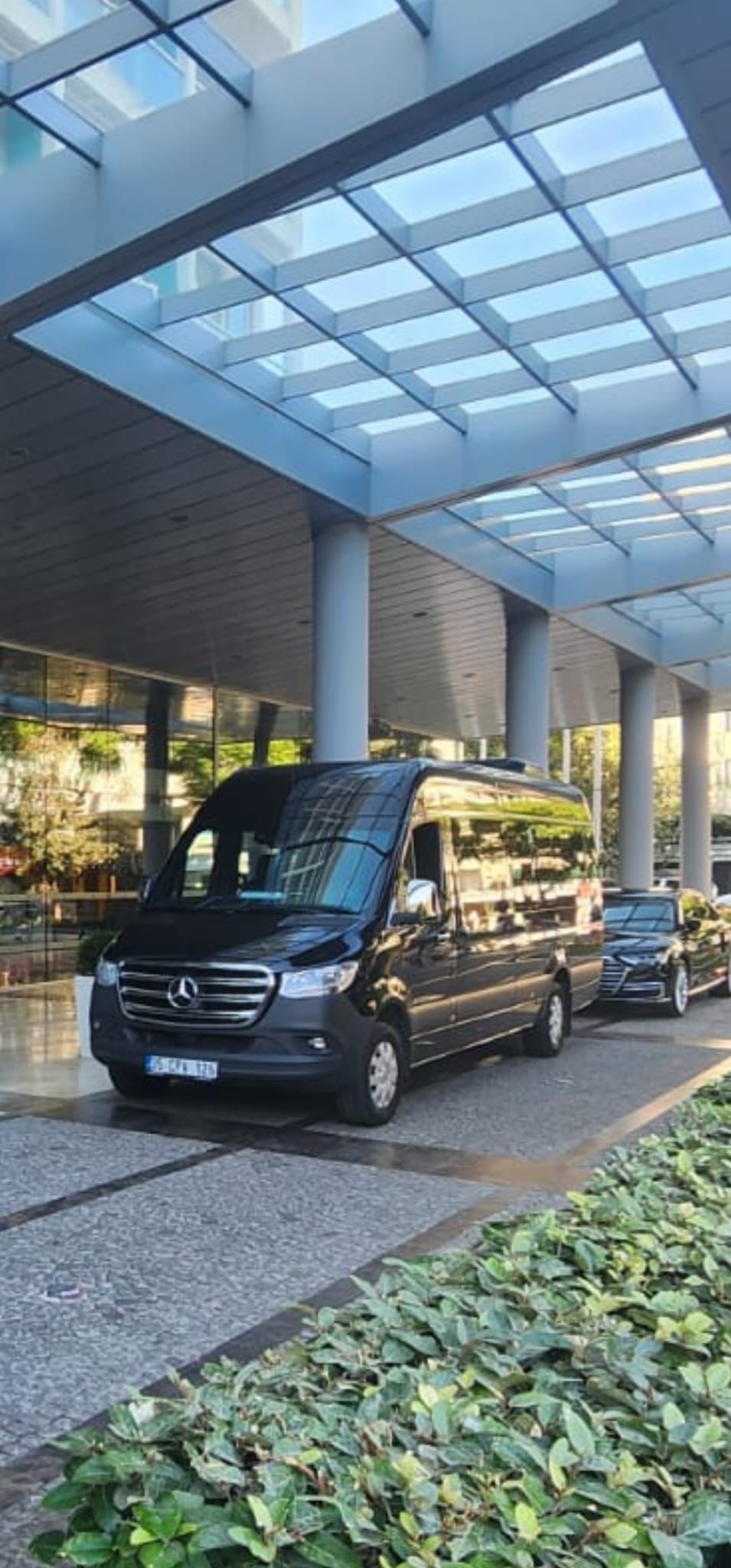
Prices for Minivan (up to 5 people) and Sprinter (up to 15 people). For VIP vehicles, ask for a price on WhatsApp.
| From — To | Minivan (up to 5 people) | Sprinter (up to 15 people) |
|---|---|---|
| Konak – ADB Airport | $50 | $60 |
| Izmir Konak – Cesme / Alacati | $90 | $110 |
| Izmir Konak – Kusadasi | $90 | $110 |
| Izmir Konak – Guzelcamli | $100 | $110 |
| Izmir Konak – Didim | $150 | $190 |
| Izmir Konak – Bodrum | $220 | $270 |
| Izmir / Ephesus Tour | $240 | $300 |
| Ephesus – House of the Virgin Mary Tour | ||
| Kusadasi Tour | ||
| Izmir – Cesme / Alacati (tour) | $240 | $300 |
| Cesme – Alacati – Ilica Beach (tour) | ||
| 7 Churches of the Apocalypse (tour) | ||
| Izmir / Pamukkale (tour) | $330 | $370 |
| ⚠️ A guide is mandatory for all vehicle types when booking a tour (+$150 to the price). For routes not listed — message us on WhatsApp. | ||
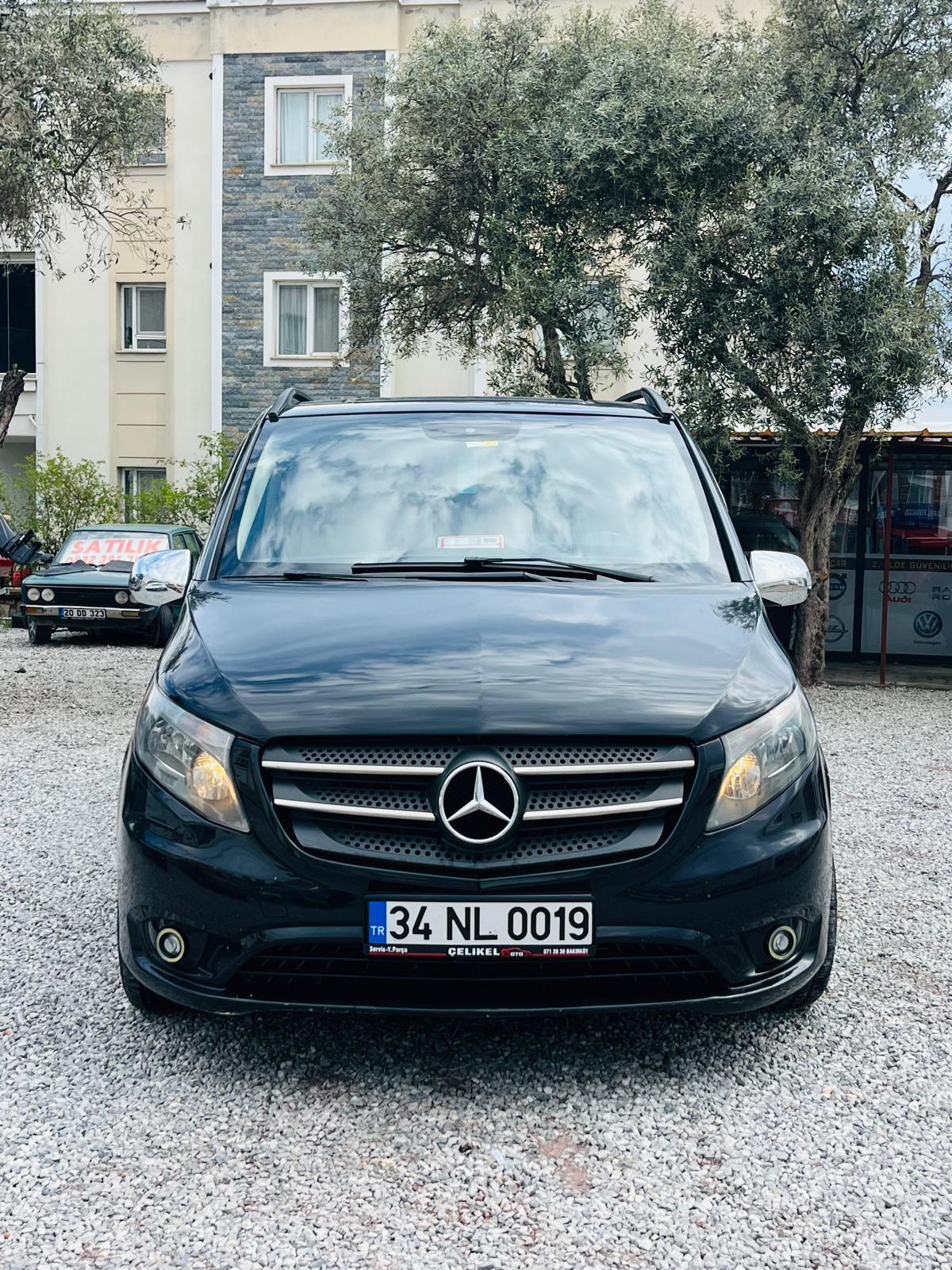
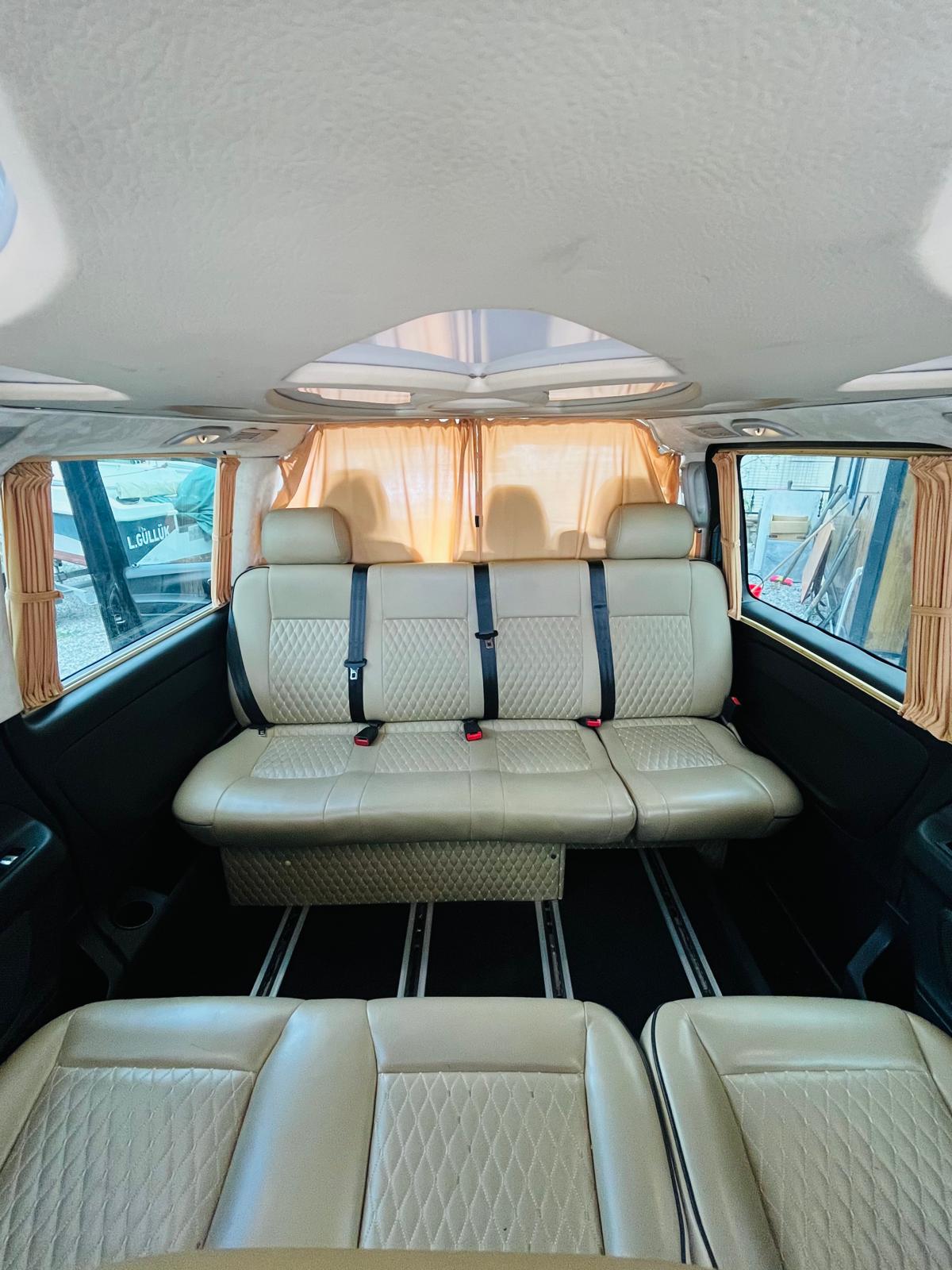
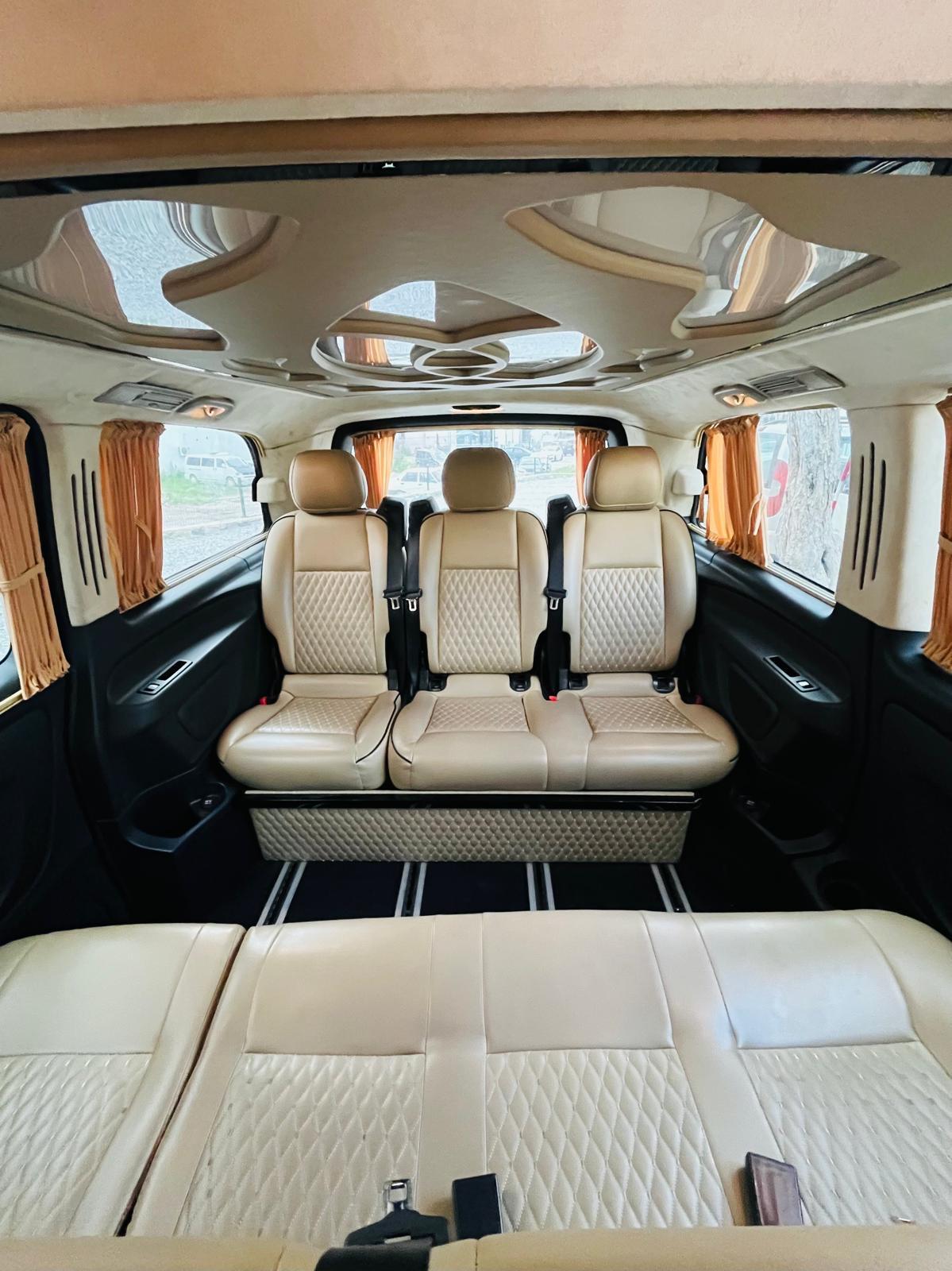
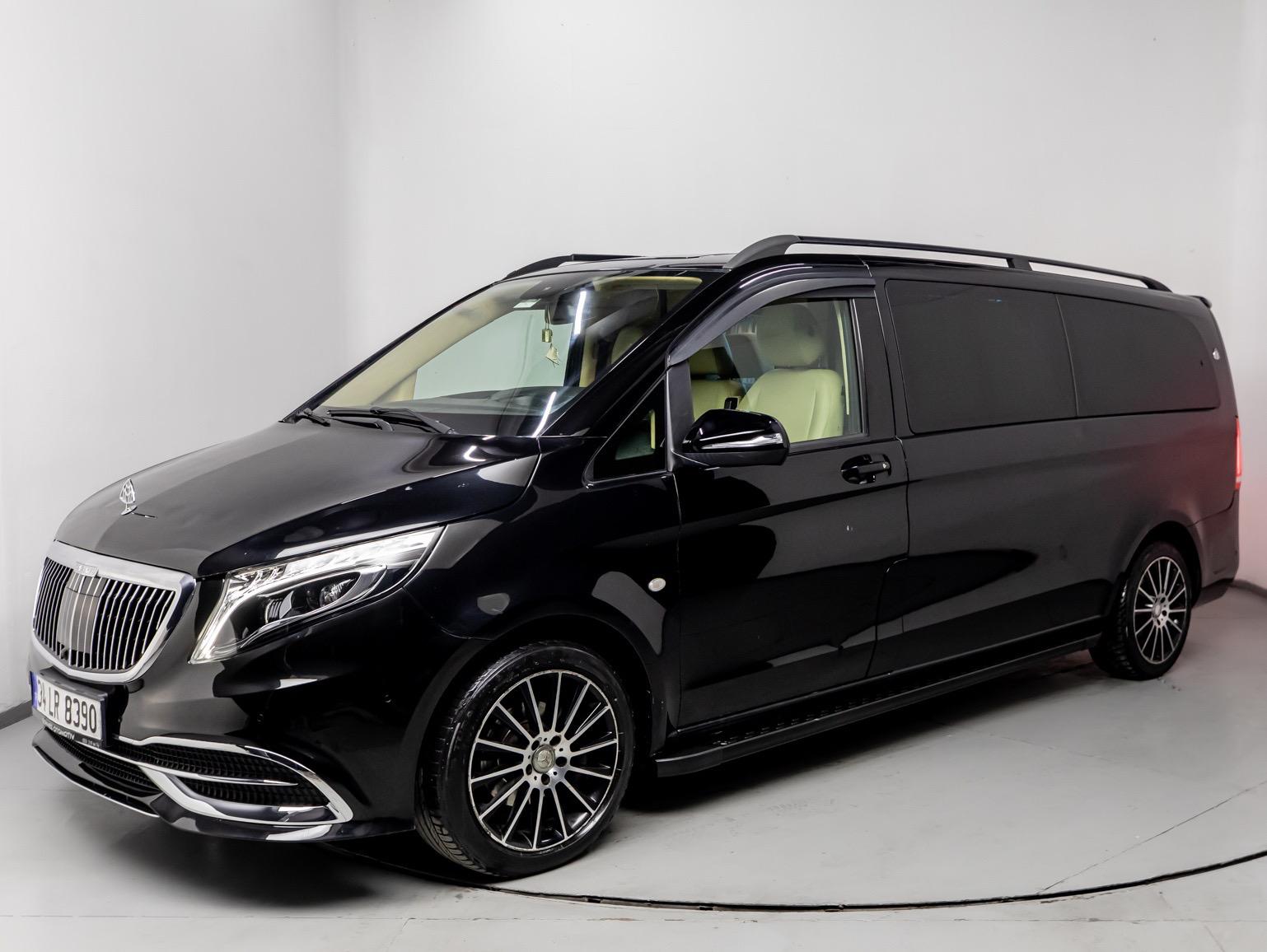
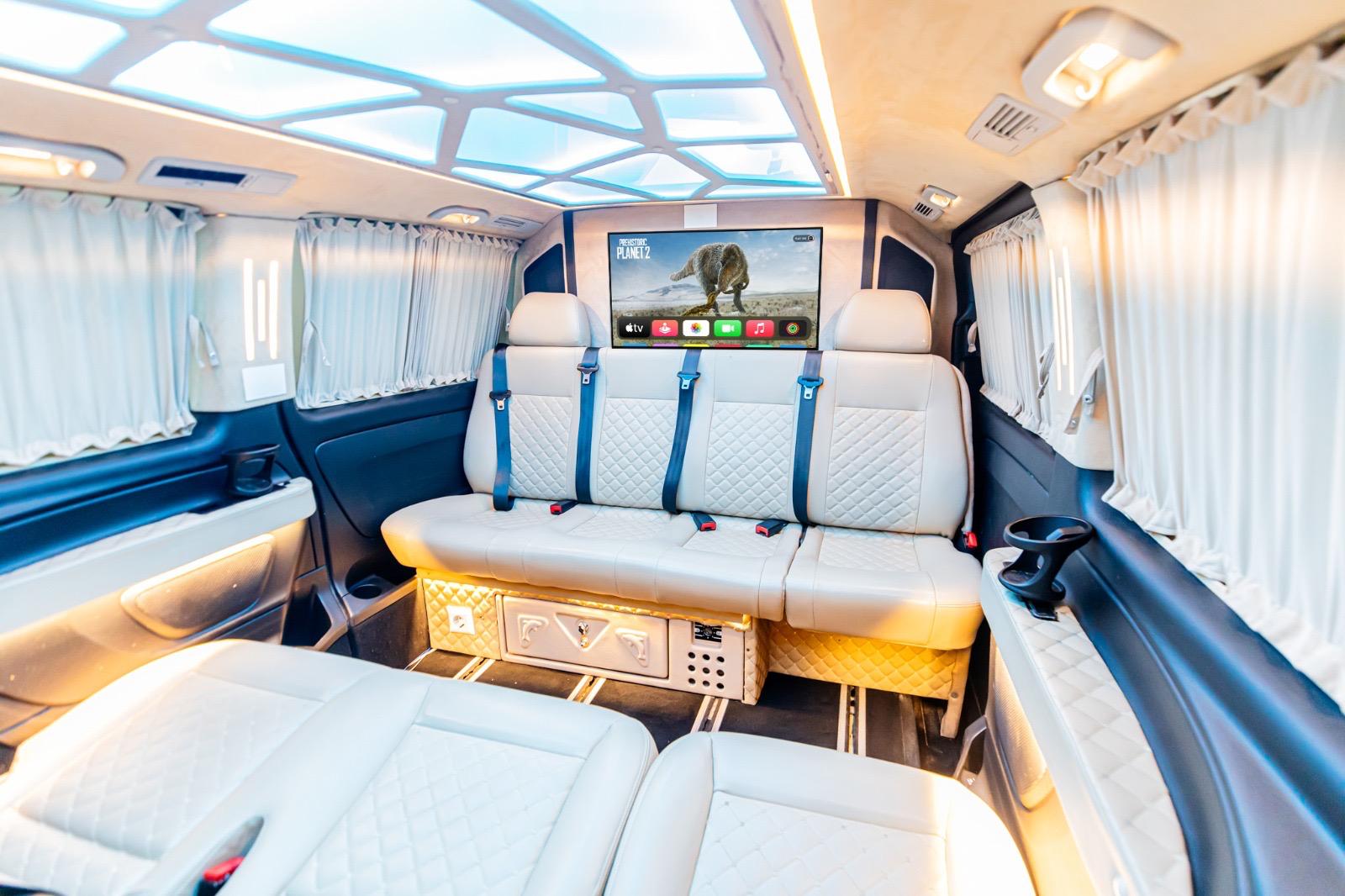
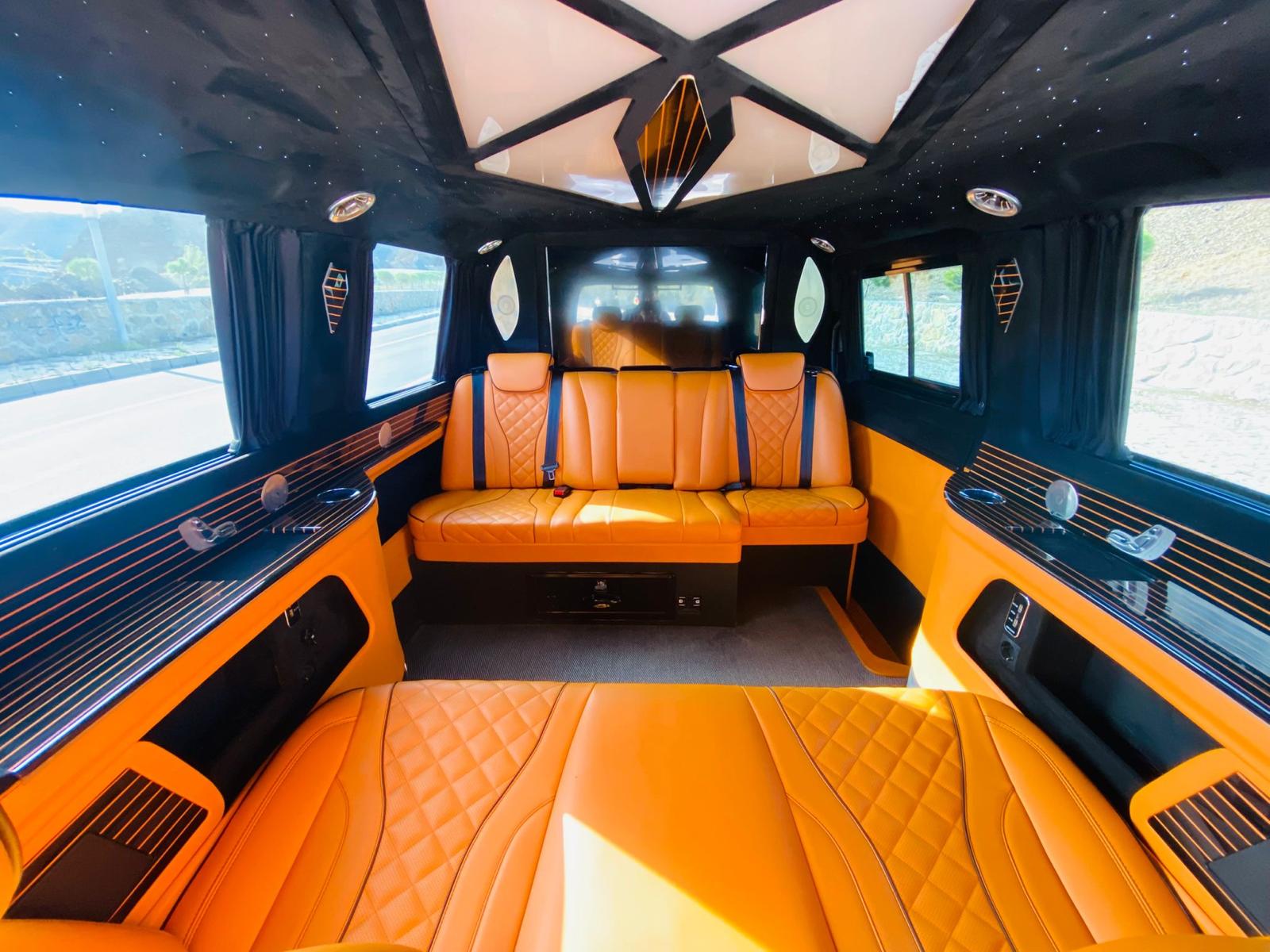
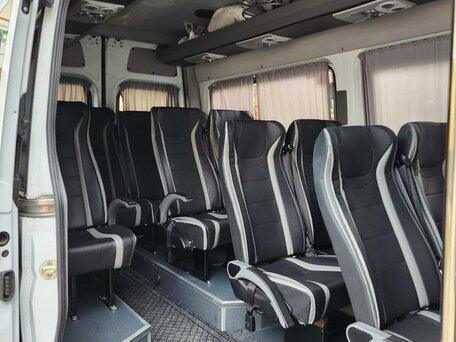
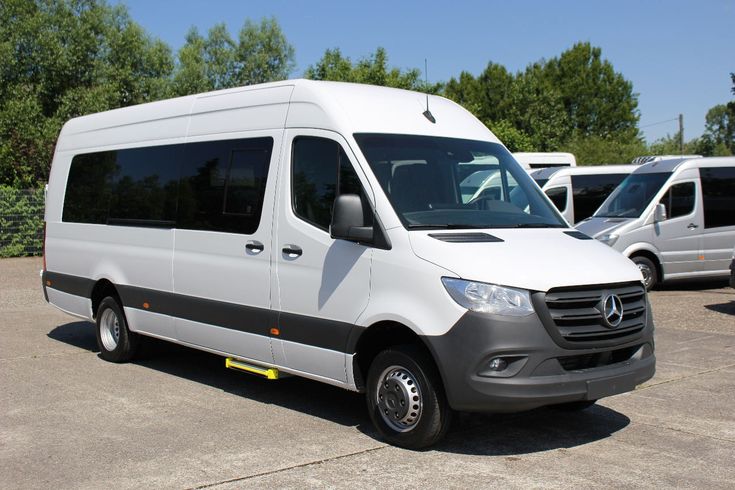
The Right Vehicle for Every Need
Clean, insured vehicles with professional drivers.

How We Meet You at the Airport?
We operate at Adnan Menderes Airport (ADB).
Share your flight number when booking — we track it in real time. If you have any questions, message us on WhatsApp.
Izmir Adnan Menderes Airport — we meet you right at the arrivals exit.
Izmir Airport Transfer to Your Hotel — Reliable, Fixed Price
We offer private transfer from Izmir Adnan Menderes Airport (ADB) to any hotel in the city or along the coast. No meters, no surprises — just a fixed price with no extra charges.
Instead of a taxi at Izmir Airport, book a transfer with us — it's more affordable than the meter, no prepayment needed, in a more comfortable premium vehicle, with a meet & greet sign right at the exit. Our support team is available 24/7 via WhatsApp — from booking through to your hotel.
We meet you in the arrivals area with a sign — our support team is available around the clock on WhatsApp. We take you to Cesme, Kusadasi, Alacati and anywhere else in Izmir and along the coast.
Reliable Transfer in Izmir
+90 505 715 04 11 · Active 24/7
